
Introduction
If you’re a business owner tired of advertising that costs more than it delivers, you’re not alone. Enter performance marketing—a results-driven strategy where you only pay when your ads deliver measurable outcomes. This guide breaks down what performance marketing is, how it works, and why it’s an essential part of modern digital strategy.
1. What Is Performance Marketing
Performance marketing is a digital advertising model where brands pay only when a specific action—such as a click, lead, or sale—is completed. Unlike brand marketing, which focuses on perception, performance marketing measures real, tangible results WikipediaCareerFoundry.
According to Shopify, it’s the antidote to guesswork in advertising—“you’re paying only for what actually works” Shopify. FinancesOnline emphasizes the pay-for-outcomes approach: ads are not bought upfront but paid based on delivered results financesonline.com.
2. How Performance Marketing Works
At its core, performance marketing involves advertiser platforms where marketers only pay upon achieving predefined actions.
The strategy hinges on:
- Setting clear goals (e.g., CPC, CPL, CPA).
- Tracking performance via ad and analytics platforms.
- Iterating campaigns in real time based on data.
Intellipaat notes the use of measurable, traceable channels like affiliate marketing and CPA ads to achieve business outcomes Intellipaat.
3. Key Channels You Should Know
Native & Influencer Ads – Sponsored content designed with measurable goals in mind Shopifyappwarstechnologies.com.
Affiliate Marketing – Partners promote your products, and you pay only for conversions.
PPC Advertising (Google Ads, Meta) – Advertisers bid per click, but ultimate decisions are data-driven, not just bid-based Shopify.
Social Ads – Structured for prospecting and retargeting with measurable outcomes.
4. Benefits of Performance Marketing
Transparent ROI – Every ad dollar’s impact is measurable insyncin.com.
Cost Efficiency – Pay only for outcomes like leads or sales, not ad impressions.
High Trackability – Track CTA click-throughs, conversions, and ROI in real time Shopifyinsyncin.com.
Flexibility – Campaigns can adapt mid-flight based on performance metrics.
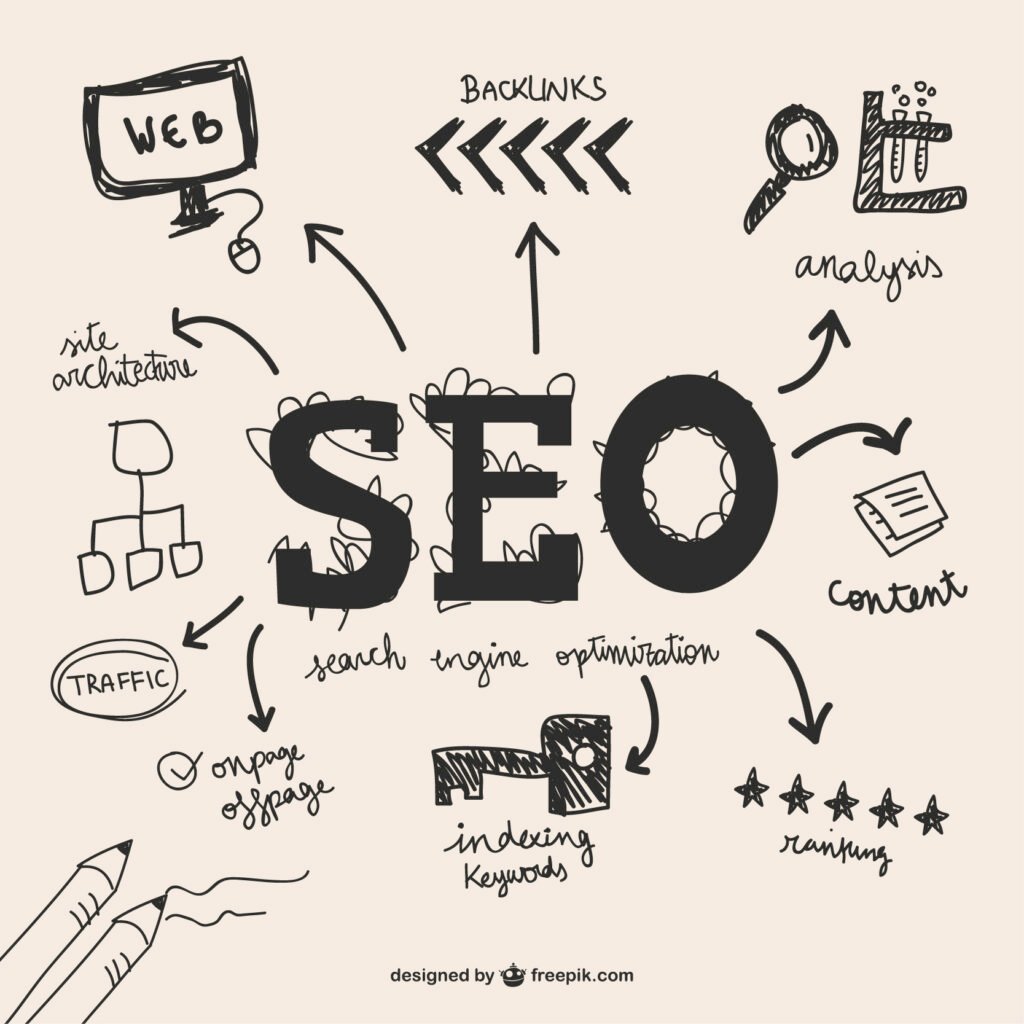
5. Internal & External Linking Strategy
Reference best-practice guides such as Insync Marketing or Intellipaat to reinforce credibility insyncin.comIntellipaat.
Internal Links:
Link to your Services page when discussing ad execution.
Reference your Clients page for credibility—e.g., “See performance marketing in action with our real estate campaigns.”
Include a Contact CTA offering customized strategy calls.
External Backlinks:
Link authoritative sources like Shopify’s definition guide Shopify.
6. How to Get Started
Continuously iterate on ads and targeting based on insights.
Define your campaign goals—e.g., CPL or CPA.
Choose the right channel based on your industry and target audience.
Draft compelling creatives and optimized landing pages.
Set tracking mechanisms—Google Analytics, UTM parameters, ad metrics.
Monitor keyword ranking and performance metrics like CTR and conversion rate AgencyAnalyticsSemrush.
Conclusion & Next Steps
Performance marketing empowers you to allocate advertising budgets with precision, reduce waste, and boost ROI. By embracing measurable strategies across channels like affiliate, PPC, and social ads, business owners gain clarity and control.
Ready to build data-driven campaigns that deliver real results?
Book a Performance Marketing Strategy Call