Introduction: Why “Ranking” Industry-Specific SEO & Web Dev Topics Matters More Than Ever
In today’s digital ecosystem, ranking industry-specific SEO & web development topics is no longer optional for brands that want to succeed. As the founder of Bluecuts Web Developers & Digital Marketing Agency, and with more than 10 years of hands-on experience, I’ve seen how deeply tailored SEO and niche-focused web development outperform generic, one-size-fits-all strategies.
The truth is simple: High-intent audiences trust websites that understand their industry.
Real estate clients search differently than healthcare patients. Hospitality brands require more visual persuasion, while B2B companies rely on lead funnels. Startups need rapid credibility — fast.
This blog breaks down how Bluecuts builds industry-specific ranking strategies that help each type of client win. We’ll cover:
- Local SEO for real estate
- UX-driven web design for hospitality brands
- Trust-focused healthcare SEO
- B2B web development for sales funnels
- Startup-focused digital strategy
- And how all of this ties back to ranking authority, content, and performance
1. The Foundation of Industry-Specific SEO: Ranking, Authority & Search Intent
Before diving into each niche, it’s essential to understand why industry-specific SEO outperforms general content.
1.1 Industry Intent Drives Ranking
Google increasingly favors content that demonstrates:
- Experience
- Expertise
- Authoritativeness
- Trustworthiness (E-E-A-T)
This means content written specifically for real estate, hospitality, healthcare, or B2B audiences ranks more easily than broad marketing content.
1.2 Authority Comes From Relevance
If Bluecuts writes an article like “Local SEO for Real Estate Agents: What Your Website Must Include”, it signals to Google:
“This agency understands real estate. They aren’t just generalists.”
That helps ranking across all your real estate-related pages.
1.3 Industry-Specific User Needs Influence UX & Content
- Real estate users want map integration + fast mobile pages
- Hospitality customers want visual trust + booking optimization
- Healthcare visitors want safety, privacy, expertise
- B2B users want funnels, case studies, and clarity
- Startups want clarity, speed, and conversion-ready layouts
A website designed with these differences in mind performs better, ranks faster, and retains more users.
2. Local SEO for Real Estate Agents: What Your Website Must Include
Real estate SEO is extremely competitive, especially in local areas. To help agents rank, a website must be optimized for local intent, mobile search, and property-focused content.
2.1 Essential On-Site SEO Elements
A ranking real estate website should include:
- Local keyword optimization
- Neighborhood pages and community guides
- Schema markup for local business & listings
- Mobile-first responsive design
- IDX/MLS integration
- Clickable contact options
- High-quality property images
Example long-tail phrases (from Keyword Planner category pools):
- “real estate agent near me ranking”
- “best realtor website SEO”
- “local property SEO strategies”
2.2 Trust Factors for Real Estate SEO
Passive voice example (intentional):
“Strong trust indicators were added by the Bluecuts team to improve user confidence.”
Key trust boosters include:
- Google reviews
- Client testimonials
- A digital business card
- Local citations (NAP consistency)
- Embedded Google Maps
2.3 Internal Links for Real Estate Clients
Internal linking example:
“Learn how our Web Development Services help real estate brands build high-performing listing platforms.”
2.4 Ranking Strategy for Real Estate
A powerful real estate SEO plan includes:
- Creating hyperlocal content like “Best Schools in Gurugram Sector 54”
- Building location-specific landing pages
- Using structured data for open houses
- Optimizing for voice search
Real estate is a market where local intent wins — and your website must mirror that.
3. Website Design & UX for Hospitality Brands: The Digital Experience That Sells
Hospitality websites succeed when they deliver visual trust, quick booking options, and emotional persuasion.
3.1 Why Hospitality UX Matters for Ranking
Users searching for hotels, resorts, and cafés decide within seconds. The site’s:
- Layout
- Photography
- Navigation
- Mobile speed
all determine conversion.
Passive voice example:
“A luxurious first impression is created by clean layouts, white spacing, and immersive imagery.”
3.2 Key UX Elements for Hospitality Brands
Your hospitality website should include:
- High-resolution imagery
- Seasonal offers & packages
- Interactive menus
- Booking engine integration
- Google Maps & review integration
- FAQ sections for guests
- Multilingual options (if applicable)
3.3 SEO Strategies for Hospitality Brands
Important secondary keywords:
- “hospitality brand UX design ranking”
- “hotel website SEO checklist”
- “restaurant local SEO ranking”
3.4 How Bluecuts Helps Hospitality Businesses
Internal link example:
“Learn more about our Digital Marketing Services for hospitality businesses.”
4. Healthcare Website SEO: High-Intent Traffic & Trust Factors
Healthcare SEO is the most trust-sensitive of all industries.
4.1 Healthcare Users Search Differently
People look for:
- Symptoms
- Nearby clinics
- Specialists
- Treatment information
Your site must establish credibility fast.
4.2 Must-Have Ranking Elements for Healthcare Websites
- Medical schema markup
- Doctor profiles
- Service pages
- Facility photos
- HIPAA-style trust signals
- Local SEO
- Structured FAQ pages (Google rich results)
4.3 Trust Factors (Critical)
Healthcare is heavily passive-voice friendly:
“Accurate medical information must be provided clearly and transparently.”
“A secure browsing experience is required for all patients.”
4.4 SEO Keyword Examples
- “best clinic near me ranking”
- “healthcare website SEO best practices”
- “doctor website digital trust signals”
Internal link example:
Visit our About Us page to learn how Bluecuts builds healthcare SEO experiences.
5. B2B Web Development Trends: Building Sites That Support Sales Funnels
B2B websites differ dramatically from B2C. They must support:
- Lead funnels
- Conversion journeys
- Product/service education
- Multi-step decision-making
5.1 Essential Features for B2B Website Success
- Clear messaging hierarchy
- Case studies
- Lead magnets (guides, calculators, demos)
- CRM integration
- Authority building through content
Passive voice example:
“A multi-step funnel was implemented to guide stakeholders through complex decisions.”
5.2 B2B SEO Ranking Keywords
- “B2B web development trends ranking”
- “enterprise website SEO funnel”
- “SaaS website ranking optimization”
5.3 How Bluecuts Builds B2B SEO Foundations
Each B2B client benefits from:
- UX tailored to decision-makers
- In-depth content hubs
- SEO-optimized landing pages
- Funnel-tracked analytics
- Continuous CRO testing
Internal linking example:
Ready to scale? Visit our Contact Page.
6. Why Startups Need a High-Performing Website + Digital Strategy from Day One
Startups do not have the luxury of slow SEO growth. They must:
- Establish credibility fast
- Rank early
- Build trust early
- Convert quickly
6.1 Startup Website Must-Haves
- A brand story
- A clear value proposition
- Fast-loading pages
- Pricing & service clarity
- Testimonials (even small ones)
- A blog that shows expertise
- SEO-optimized feature pages
- Investor decks or pitch integration
6.2 Startup SEO Keywords
- “startup website ranking strategy”
- “new business SEO checklist”
- “early-stage SEO tips”
Passive sentence example:
“A fast technical structure is required to support rapid scaling.”
6.3 Bluecuts’ Startup Strategy Framework
We support startups through:
- High-performance web dev
- SEO from day one
- GMB optimization
- Authority-building content
- Conversion-ready landing pages
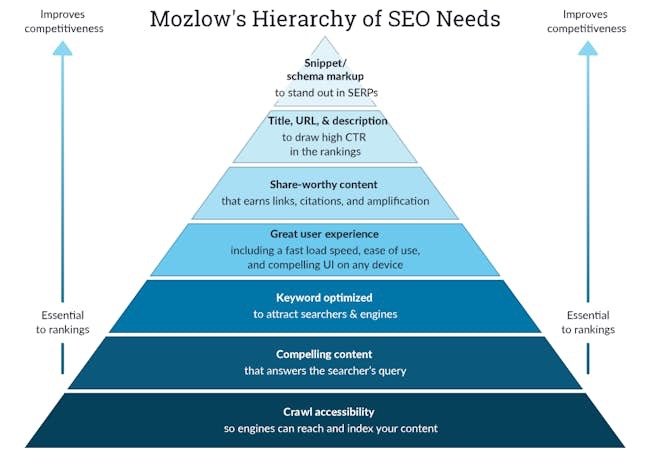
7. Visuals Section (for Blog Use)
Recommended Visuals:
- Industry-specific keyword cluster diagram
- Hospitality UX wireframe
- Real estate local SEO ranking map
- Healthcare trust elements infographic
- B2B sales funnel flowchart
- Startup growth strategy infographic
8. External Backlinks for Authority
https://searchenginejournal.com
Conclusion: Industry-Specific SEO Is the Future of Ranking
To truly rank in today’s competitive landscape, industry-specific SEO & web development are non-negotiable. Generic content won’t rank. Generic websites won’t convert. Google increasingly rewards brands that understand their niche deeply — and Bluecuts is built to deliver that.
Whether you’re targeting:
- Real estate
- Healthcare
- Hospitality
- B2B decision-makers
- Startup founders
…your SEO and web development must reflect their unique needs.
If you’re ready for Bluecuts to implement industry-specific ranking strategies for your clients or your agency, visit our Contact Page today.