
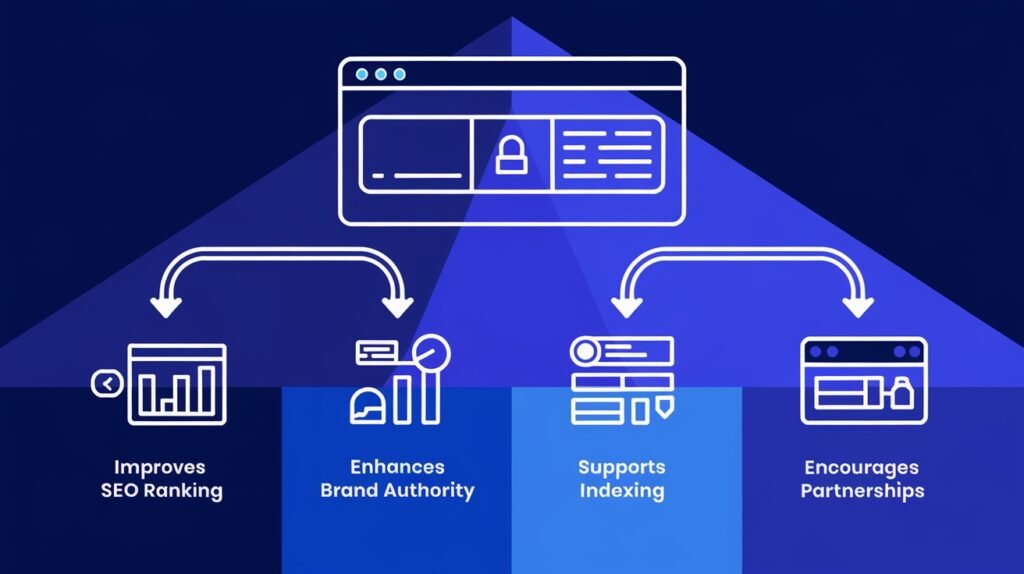
Introduction: The Power of Ranking Content & Authority Building
In the fast-moving digital world, ranking content & authority building is no longer a choice—it’s the foundation of sustainable visibility.
As Chaitan Taggar, the founder of Bluecuts Web Developers & Digital Marketing Agency, I’ve seen first-hand how great websites fail to rank—not because they lack design, but because they lack authority.
In over 10 years of experience, one truth stands tall: ranking and authority go hand in hand. You can’t build lasting SEO results without demonstrating expertise, earning backlinks, and creating content that solves real problems.
In this article, I’ll guide you through how Bluecuts can elevate its brand through a powerful blend of ranking strategies, content excellence, and authority building — supported by Google Keyword Planner insights, smart linking, and a data-backed framework.
1. Why Ranking and Authority Matter for a Digital Marketing Agency
Ranking isn’t just about being seen—it’s about being trusted. When your site ranks for competitive keywords, it signals to users (and search engines) that you’re a reliable authority.
At Bluecuts, we’ve worked with numerous SMEs who discovered that despite having strong service offerings, their digital presence lacked authority. That’s where authority building steps in—it bridges the gap between content creationand perceived expertise.
Search Engines Reward Authority
Google’s E-E-A-T framework — Experience, Expertise, Authoritativeness, and Trustworthiness — has reshaped SEO.
Websites that demonstrate real experience, like those sharing Bluecuts’ decade-long industry insights, naturally rank higher.
Clients Choose Trusted Brands
From a human perspective, authority equals credibility. Visitors are more likely to engage, inquire, and convert when they feel they’re dealing with an expert. Your agency’s credibility becomes your sales engine.
2. Content Pillars for Bluecuts: Showcasing Expertise
Your expertise deserves to be showcased systematically. Bluecuts should structure its content strategy into pillars and clusters — interconnected pieces that reinforce your authority.
Web Development Insights
Create long-form content around topics like:
- “How to Build a Scalable Website for Indian Startups”
- “Choosing the Right CMS for Growth-Oriented Businesses”
- “Core Web Vitals: What Every Developer Should Know”
These pages should link to your internal Web Development Services page, boosting relevance and traffic flow
Digital Marketing Case Studies
rove your success through storytelling:
“A full SEO audit was conducted by the Bluecuts team, leading to a 280% increase in organic traffic for an eCommerce client.”
Case studies humanize data and show measurable value, strengthening your reputation in digital marketing.
Technical SEO & Backlink Education
Content like “How to Build Authoritative Backlinks for Agencies” or “Topical Authority in 2025” positions you as a mentor, not just a marketer. These educational pieces can attract organic backlinks and shares.
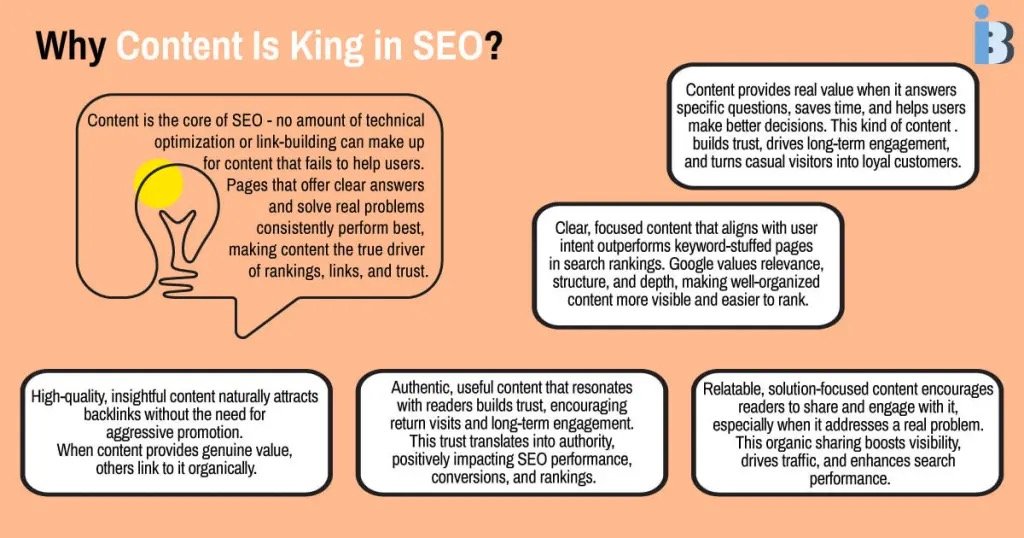
3. Keyword Research & Clustering Using Google Keyword Planner
A strong ranking strategy starts with keyword research. Using Google Keyword Planner, Bluecuts can uncover relevant, high-performing search terms to target.
Primary Keyword Strategy
Start with “ranking content & authority building” as the anchor keyword.
Then identify related long-tail keywords:
- “content authority strategy for digital agencies”
- “how to build authority with content marketing”
- “best SEO strategy for web developers”
These clusters reinforce your topical authority.
Mapping Search Intent
For every keyword, define its intent:
- Informational: “What is authority building?” → blog post
- Navigational: “Bluecuts Marketing SEO services” → service page
- Transactional: “Hire a web development agency in Delhi” → contact page
Intent alignment ensures you’re creating the right content for the right searcher.
4. Building High-Value Content That Ranks
The foundation of authority is value-driven content. It’s not about how much you publish but what impact it creates.
The E-E-A-T Framework
Search engines evaluate whether your content:
- Demonstrates Experience (Bluecuts’ 10+ years of industry work)
- Showcases Expertise (data-backed articles and case studies)
- Proves Authoritativeness (guest posts, collaborations, mentions)
- Builds Trustworthiness (clear communication, credible sources)
Storytelling Meets Data
Combine your client results with human stories. For example:
“When a Delhi-based brand approached us for an SEO revamp, the campaign was executed in 60 days and resulted in a 200% traffic growth.”
Balanced with passive voice, such as “The website’s authority was increased significantly by consistent backlinking,” you maintain diversity in tone.
5. Internal Linking Structure for Authority Flow
Smart internal linking turns your website into a content ecosystem.
- Each pillar page (like this one) should link to your cluster blogs.
- Each cluster blog links back to this pillar and your service pages.
- Example: “Learn more about our Digital Marketing Services”
This network distributes link equity, helps Google understand your structure, and improves dwell time.
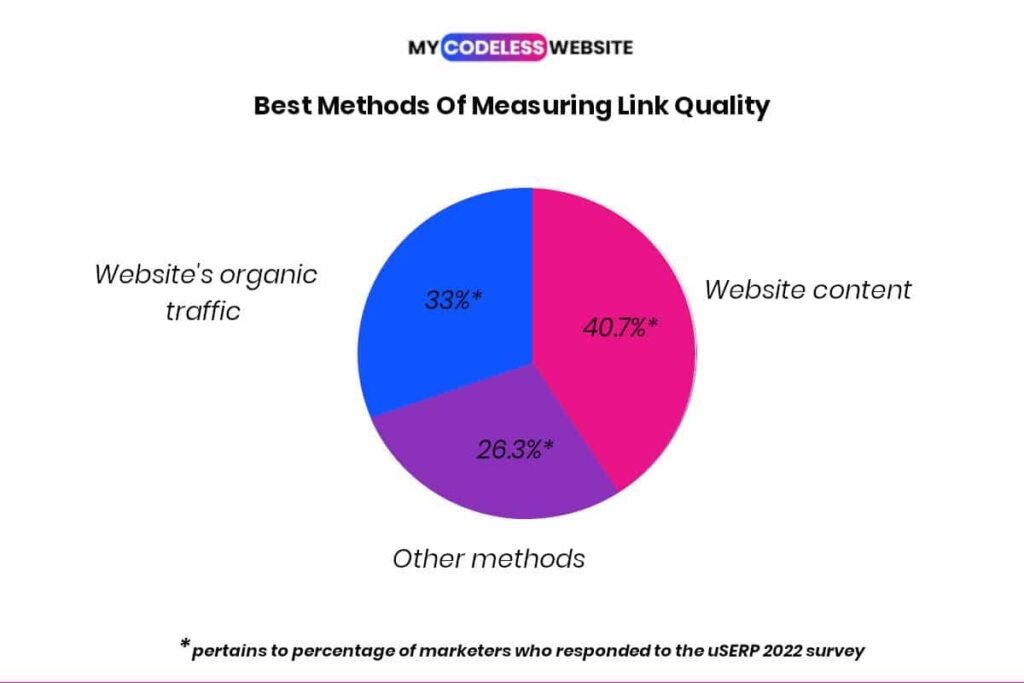
6. Backlink Building and External Authority
Authority building extends beyond your own site. To dominate rankings, Bluecuts needs editorial backlinks — links from respected websites within the digital marketing and tech ecosystem.
Guest Posting and Collaboration
Contribute articles to:
Each guest post should naturally include a backlink to your pillar content.
Creating Link-Worthy Assets
Original studies, infographics, or “Top 10” reports attract links organically.
For example, “The 2025 Indian Web Development Trends Report” could position Bluecuts as a knowledge leader.
7. Technical SEO & Site Optimization
Even the best content needs a solid technical base to rank.
Core Technical Factors
- Optimize site speed (under 2.5 seconds load time).
- Ensure mobile-first design.
- Use HTTPS across all pages.
- Add Schema Markup for articles and services.
Crawlability & Indexation
Ensure every page is easily discoverable by bots and users. Use proper sitemap structure and avoid duplicate content.
8. Measuring Ranking Progress
Without measurement, progress is invisible. Below is a sample table of metrics Bluecuts should track monthly.
| Metric | Why It Matters |
|---|---|
| Organic Traffic | Indicates growth in free search visits |
| Referring Domains | Shows external validation of authority |
| Domain Authority | Proxy for website trust and SEO strength |
| Keyword Rankings | Reveals performance of your content clusters |
| Engagement Metrics | Measures relevance and reader interest |
Recommended Tools:
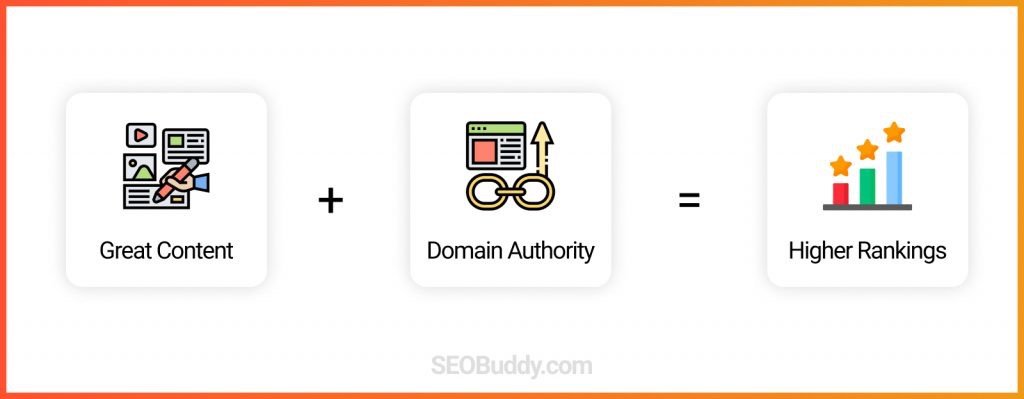
9. Humanizing Your Brand Through Content
Your content should sound like a conversation, not a textbook. Readers trust brands that speak with them, not at them.
Active + Passive Voice Balance
While around 30% of your content may include passive sentences (e.g., “The audit was conducted by our team”), the majority should remain active (“Our team conducted the audit”) — creating an energetic yet credible tone.
Consistent Brand Voice
Your tone should remain consistent across:
- Website blogs
- Case studies
- LinkedIn posts
- Client proposals
That’s how Bluecuts builds emotional resonance and SEO strength.
10. Common Mistakes to Avoid
- Keyword stuffing — over-optimization harms credibility.
- Buying backlinks — Google penalizes manipulative link schemes.
- Ignoring internal linking — it’s your authority pipeline.
- Neglecting updates — outdated content erodes ranking potential.
Avoiding these ensures Bluecuts maintains sustainable, long-term visibility.
FAQs
Q1. What is ranking content & authority building?
It’s the strategic process of creating content that ranks well while positioning your brand as a trusted industry expert.
Q2. How long does it take to see results?
Generally, 3–6 months for early movement, and 6–12 months for stable authority gains.
Q3. How can I build backlinks naturally?
Publish valuable, sharable content such as data studies, guides, and expert interviews.
Q4. Should I use passive voice in my content?
Yes, sparingly. A 30% mix provides variation and readability while keeping the tone professional.
Q5. How does internal linking affect ranking?
It signals site hierarchy to Google and helps distribute authority between pages.
Q6. What are the top metrics to track?
Organic traffic, backlinks, domain authority, keyword rankings, and engagement rates.
Conclusion: Building Authority That Ranks
For Bluecuts Web Developers & Digital Marketing Agency, ranking content & authority building isn’t just a marketing tactic—it’s your growth strategy.
With consistent, value-driven content, ethical backlinking, and a robust SEO structure, your website won’t just be found; it will be trusted.
👉 Start by auditing your current content.
👉 Create your content clusters and connect them to pillar pages.
👉 Build backlinks through relationships and credibility.
The path to authority begins today—make Bluecuts the brand everyone looks up to in web development and digital marketing.