
Introduction: Why Funnels Are More Critical Than Ever
In today’s digital-first world, leads are everywhere—but conversions are rare. Businesses spend heavily on ads, SEO, and social media, only to see most prospects leak out of their pipeline. The truth is: without a well-structured lead generation funnel, even the best campaigns struggle to deliver results.
In 2025, attention spans are shorter, competition is fiercer, and customers are savvier. A funnel is no longer just a marketing concept—it’s the engine that drives predictable revenue. It takes your website visitors from “just browsing”to “ready to buy” with a structured journey of awareness, trust, and decision-making.
At Bluecuts Web Developers & Digital Marketing Agency, we’ve spent over a decade building funnels that rank, attract, and convert. Let’s break down how to create one that actually works in 2025.
Step 1: Define Your Ideal Customer & Funnel Goal
A funnel without clarity is like sailing without a compass. Before you write a single email or launch a landing page, define:
- Who are you targeting? (e.g., SMB owners, real estate buyers, healthcare professionals)
- What problem do they want solved?
- What outcome do you want? (Leads, consultations, demo bookings, sales)
💡 Pro Tip: Document your ICP (Ideal Customer Profile). Use demographics (age, role, location), firmographics (company size, industry), and psychographics (goals, pain points). This helps craft messages that resonate—and content that ranks higher in search intent.
Step 2: Map Your Funnel Stages
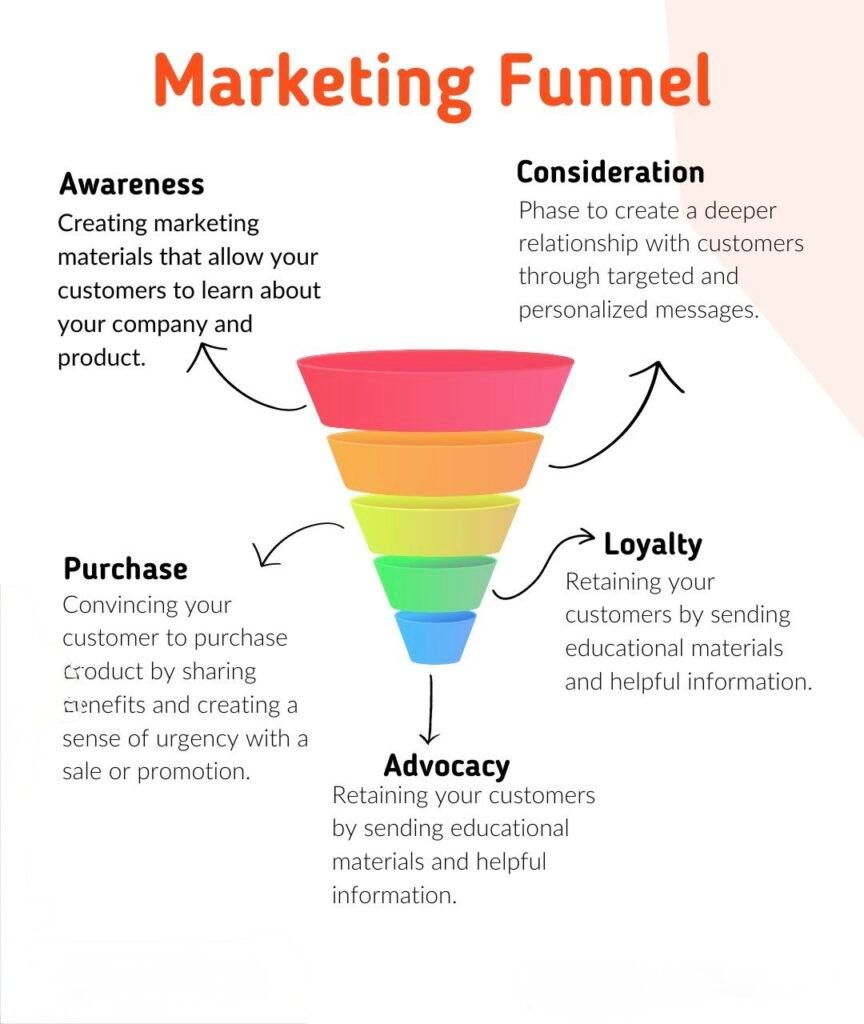
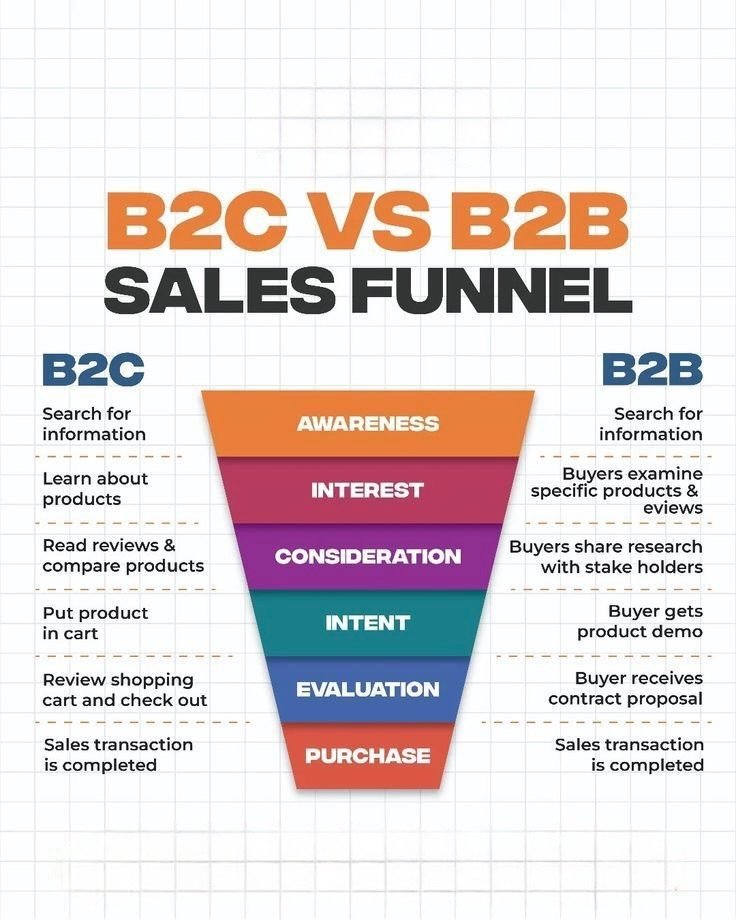
A converting funnel doesn’t happen by accident—it’s designed. Think of it as three clear stages:
- Awareness → Attract new visitors through blogs, ads, or SEO.
- Consideration → Educate with case studies, webinars, or comparison guides.
- Decision → Offer demos, free trials, or consultations.
The key is to align your content strategy to each stage. For example:
- A SaaS company might use SEO blogs for awareness, a product webinar for consideration, and a free trial for decision.
- A real estate agent could use neighborhood guides for awareness, property walkthrough videos for consideration, and site visits for decision.
See our Services Page to learn how we design funnel-driven websites that align with these stages.
Step 3: Create Content That Builds Trust
Content is the backbone of a funnel. But in 2025, generic blogs or ad copies won’t cut it. What works is value-driven, trust-building content:
- Educational blogs that rank on Google and answer real pain points.
- Lead magnets like checklists, templates, or eBooks that trade value for emails.
- Email drip campaigns that nurture with helpful tips, case studies, or personalized recommendations.
Remember: People don’t sign up for funnels—they sign up for solutions. Every piece of content must feel like the next logical step in solving their problem.
Dreamline Digital’s Guide shows how strategic content improves conversion rates.
Step 4: Automate & Personalize Lead Nurturing
Leads that aren’t nurtured don’t convert. In fact, studies show nurtured leads produce 50% more sales-ready outcomes at 33% lower cost.
In 2025, automation isn’t just about efficiency—it’s about personalization at scale. Use tools like:
- HubSpot/ActiveCampaign → Automated email sequences.
- Drift/Intercom → AI chatbots for instant replies.
- CRM Scoring → Identify high-intent leads quickly.
Example workflow:
- Visitor downloads an eBook.
- Automated email sends a thank-you + related content.
- A week later, another email offers a free strategy call.
- If they engage, the lead gets scored as “hot” and sent to sales.
Explore our Contact Page to book a free audit and see how automation can help your funnel rank better.
Step 5: Measure, Test & Optimize
Funnels are never “done.” High-performing companies constantly test CTAs, headlines, landing page layouts, and ad creatives.
Key metrics to monitor:
- Conversion Rate (CR): % of visitors who turn into leads.
- Cost Per Lead (CPL): How much you’re paying for each lead.
- Customer Acquisition Cost (CAC): Total cost to acquire a customer.
- Funnel Drop-Off Rate: Where prospects abandon your funnel.
💡 Run A/B tests—even small changes in button color or CTA text can improve conversions by double digits.
Sopro Research shows how optimizing touchpoints lifts conversions significantly.
Lead Generation Funnel Stats You Should Know in 2025
Businesses using automated funnels see revenue increase by 10%+ within 9 months.
Long-form landing pages generate 220% more leads than short ones.
Video in funnels boosts engagement by 80%.
84% of buyers still start with Google Search → SEO content remains king.
See our blog The Ultimate Local SEO Guide for 2025 for tips on ranking at the top of search results.
Conclusion: Funnels That Rank & Convert
A funnel in 2025 is more than a marketing tool—it’s a growth engine. The businesses winning today are those that:
✅ Define their ICP clearly
✅ Build content for each funnel stage
✅ Automate nurturing with personalization
✅ Continuously test and optimize
At Bluecuts Web Developers & Digital Marketing Agency, we design funnels that don’t just look good—they rank higher, convert better, and scale faster.